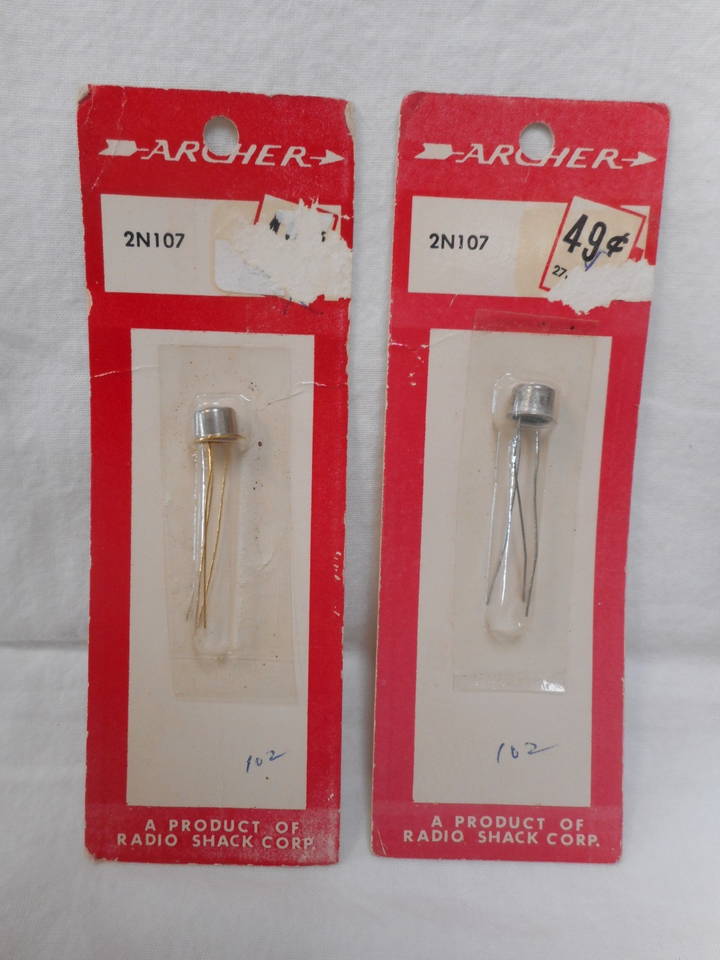
I knew the name RadioShack long before I ever visited the store. My first memory of the name was seeing it on the little cards with a bubble of plastic containing some magical little component hanging from the pegboard behind my dad's workbench.
I'm sure I heard the words before I could read them, but I don't remember it that way.
My father, my grandfather (who turned-out not to be my grandfather but that's another story) and my family friends, a surprising amount of them were RadioShack regulars. Dad, grandpa, friends Rich and Clayton in particular tweaked on radios and then computers, amassing walls of those little component packages, testing equipment and tools from the 'Shack.
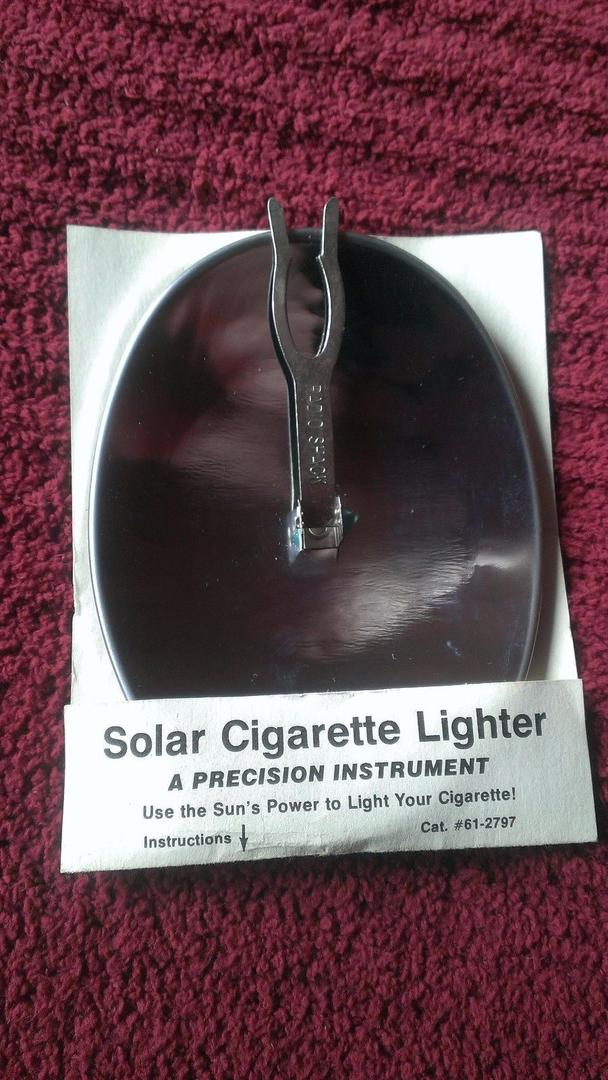
The next memory I have of RadioShack itself is looking at the catalog. I think this was still before I ever entered the store. Looking back on it, the Radio Shack catalog was sort of a strange collection of curated electronic curious. Electronic components, yes, pages of tables containing components but also what can only be described as strange household appliances, electronic toys and games and a few ...scientific? oddities like the solar-powered cigarette lighter.
What was so unique about RadioShack was that it wasn't just a place you bought things, it was also a place that helped you make things. It was the only place I knew of where I could get new electronic components (although as a kid I had to harvest most of the parts I used, I could only afford new parts after paying holidays), but they also had books and guides, many written by my favorite childhood author, Forrest M. Mims III.
When I was a kid I felt like I could build anything with nothing more than a break from school and a Radio Shack gift card.
As I discovered programming my interest in electronics began to wane. Not because I became less interested in it per-se, but because of the economics of it. To build physical devices I needed parts and tools but to build software all I needed was a computer. Once I had a computer of my own I did a lot less with electronics and my obsession with RadioShack faded as well.
When I got into making music I started making regular trips to the 'Shack again. In the small towns I spent my time in in my youth there were very few places you could get parts for electric instruments and my childhood of tinkering with electronics left me well-suited for hacking and repairing audio equipment into frugal musical gear. Our bands "PA" system was composed of modified HiFi equipment sourced from thrift stores and garage sales and modified & maintained by me. Parts from the 'Shack (mostly 1/4" plugs, teenagers are especially hard on guitar cables) kept us tearing-up garages and VFW's for years.
When I moved-on to the professional stage of my life I once again left the 'Shack behind except for the occasional cable or adapter for my home theater setup. Ironically I finally had some money to spend on parts but no longer the time or space to use them. Many years later I would get a chance to return to this work, accelerated by Jamie's interest in building props and sets for Halloween. This, coupled with the "maker movement" launched me back into collecting components, huffing solder smoke and dusting-off my copy of Getting Started in Electronics.
Sadly this renaissance coincided with the death of RadioShack. I visited a store during the final days and snapped-up a few boxes of parts. It seemed bizarre to me that they somehow survived the doldrums of electronic hobbies only to be snuffed-out during the hobby's resurrection, but that's capitalism for you.
Part of me would love to do something to provide others with the inspiration I got from that place as a child. I imagine others have had a similar experience as well. I have a couple of ideas for this but nothing that I'm sure about quite yet, but if one of them begins to take shape you'll hear about it on this blog.
Jason J. Gullickson, 2026